



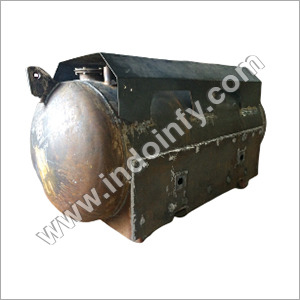
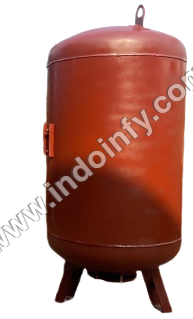
Vacuum Vessels
Product Details:
- Color Grey
- Air Pressure 0-10 , 10-15 , 15-20 Bar
- Tank Material Steel
- Capacity 1000-10000 Liter/day
- Usage Industrial
- Size All size Available
- Product Type Horizontal Pressure Vessel
- Click to view more
Vacuum Vessels Price And Quantity
- 1 Unit
- 45500.0 INR/Unit
Vacuum Vessels Product Specifications
- 0-10 , 10-15 , 15-20 Bar
- Horizontal Pressure Vessel
- Steel
- Industrial
- 1000-10000 Liter/day
- All size Available
- Grey
Vacuum Vessels Trade Information
- 10 Unit Per Month
- Week
- All India
Product Description
A vacuum tank is a type of industrial container designed to store liquids, gases, or solids under vacuum conditions. The tank is constructed to withstand external atmospheric pressure and maintain a vacuum environment inside.
Key Components:
1. Tank Body: A cylindrical or spherical tank made of a suitable material (e.g., stainless steel, carbon steel, or aluminum) to contain the stored material.
2. Vacuum Jacket: An outer jacket or shell surrounding the tank body, creating an annular space for insulation and vacuum maintenance.
3. Vacuum Pump Connection: A port or flange connecting the tank to a vacuum pump or other vacuum source.
4. Vacuum Gauge and Controls: Instruments and controls to monitor and regulate the vacuum level inside the tank.
Operating Principles:
1. Vacuum Creation: The vacuum pump removes air and gases from the tank, creating a vacuum environment.
2. Vacuum Maintenance: The vacuum jacket and insulation help maintain the vacuum level by reducing heat transfer and minimizing gas leakage.
3. Material Storage: The vacuum tank can store liquids, gases, or solids under controlled vacuum conditions.
Applications:
Vacuum tanks are commonly used in various industries, including:
1. Chemical Processing: Storage of chemicals, solvents, and other liquids under vacuum conditions.
2. Pharmaceutical Manufacturing: Storage of pharmaceutical ingredients, intermediates, and finished products under vacuum conditions.
3. Food Processing: Storage of food products, such as coffee, nuts, and snacks, under vacuum conditions to preserve freshness.
4. Aerospace and Defense: Storage of fuels, lubricants, and other materials under vacuum conditions for aerospace and defense applications.
Benefits:
The use of vacuum tanks offers several advantages, including:
1. Improved Material Preservation: Vacuum conditions can help preserve the quality and freshness of stored materials.
2. Reduced Oxidation and Contamination: Vacuum environments can minimize oxidation and contamination of stored materials.
3. Increased Safety: Vacuum tanks can help prevent accidents by removing flammable or explosive gases and vapors.
4. Energy Efficiency: Vacuum storage can reduce energy consumption by minimizing heat transfer and optimizing storage conditions.
Versatility in Industrial Applications
These vacuum vessels cater to a broad spectrum of industrial uses, such as pneumatic storage, vacuum generation, and process containment. The range of available sizes and pressure options ensures suitability across diverse operational requirements.
Quality Assurance in Fabrication
Constructed from high-grade steel and mild steel, each tank is fabricated under stringent quality controls. This ensures exceptional strength, durability, and adherence to industry standards, supporting consistent and safe industrial usage.
Comprehensive Supply and Support
As a trusted distributor, fabricator, manufacturer, supplier, and wholesaler in India, we offer prompt delivery and dedicated after-sales support. Whether standard or customized requirements, clients can rely on our expertise and comprehensive inventory.
FAQ's of Vacuum Vessels:
Q: How are these vacuum vessels used in industrial settings?
A: Vacuum vessels are commonly employed in industries for processes like vacuum storage, pneumatic systems, and material handling. They offer secure containment under varying pressure conditions, which is crucial for safe and efficient operations.Q: What materials are utilized in the making of these vessels?
A: Our vessels are fabricated from high-quality steel and mild steel, ensuring exceptional durability, strength, resistance to corrosion, and reliability for all industrial applications.Q: When should you select a vessel with a particular pressure rating?
A: The appropriate pressure rating depends on your process requirements. Choose vessels rated for 0-10, 10-15, or 15-20 Bar based on the operational pressures your application demands, ensuring maximum safety and performance.Q: Where are your vacuum vessels manufactured and supplied?
A: All our vacuum vessels are manufactured and supplied from facilities in India. We distribute nationwide through an extensive network, catering to industries across the country.Q: What is the process for customizing the size and capacity of a vacuum vessel?
A: Customization starts by evaluating your specific size and capacity needs. Based on your requirements, our design and fabrication teams create tailored solutions, ensuring optimal fit and functionality for your operations.Q: How does using a steel vacuum vessel benefit industrial processes?
A: Steel vacuum vessels provide superior structural integrity, longer lifespan, and excellent pressure handling, contributing to enhanced process safety, reduced downtime, and lower maintenance costs.Q: What support do you offer after purchasing a vacuum vessel?
A: We provide comprehensive after-sales support, including installation guidance, maintenance services, and prompt resolutions for any technical queries, ensuring uninterrupted operation of your vessel.
Price:
- 50
- 100
- 200
- 250
- 500
- 1000+

Other Products in 'Air Receivers & Vacuum Tanks' category
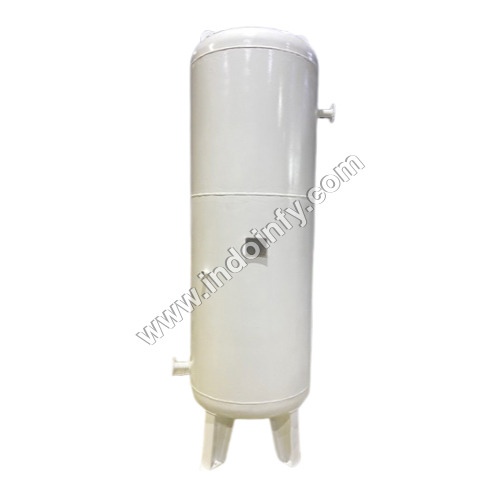
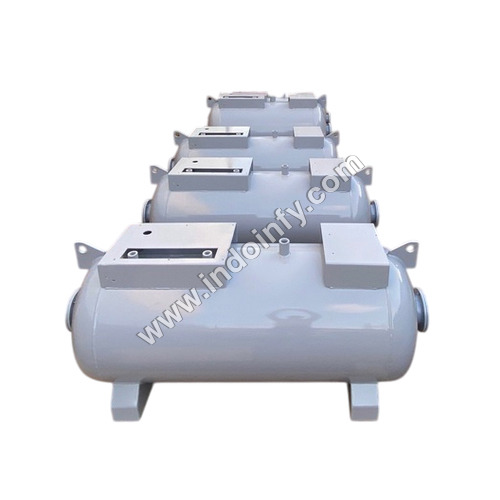


- 13/1, Bajri Industrial Area, Badkhal Pali Road, Near Bharat Petrol Pump,Faridabad - 121001, Haryana, India
- Phone : 08045477166
GST : 06ABTPA0018N1ZP

- Mr Nishant Ahuja (Founder & CEO)
- Mobile : 08045477166
-
 Send Inquiry
 Send Inquiry

Developed and Managed by Infocom Network Private Limited.

