



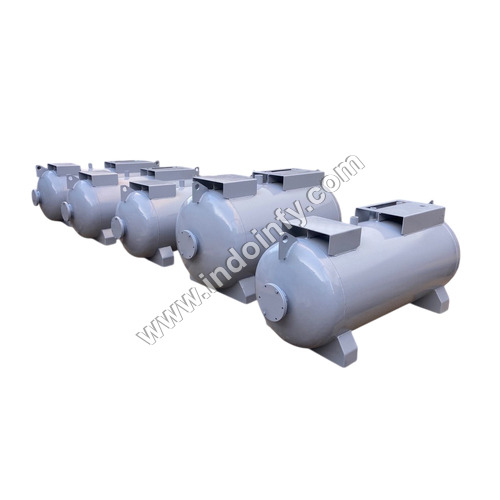
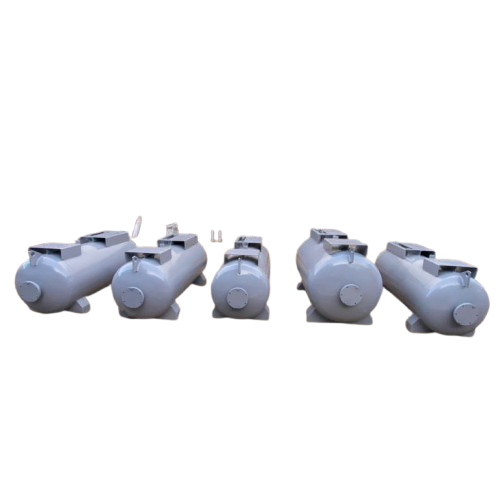
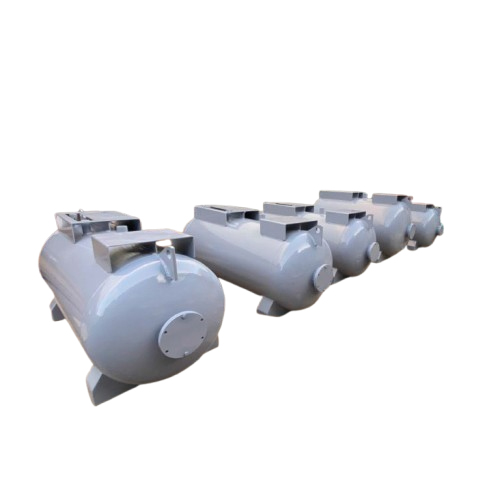
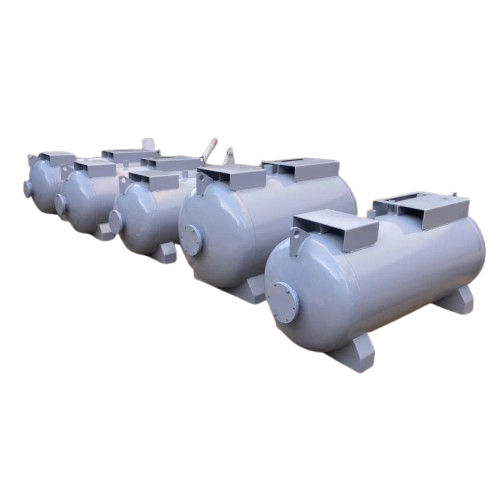
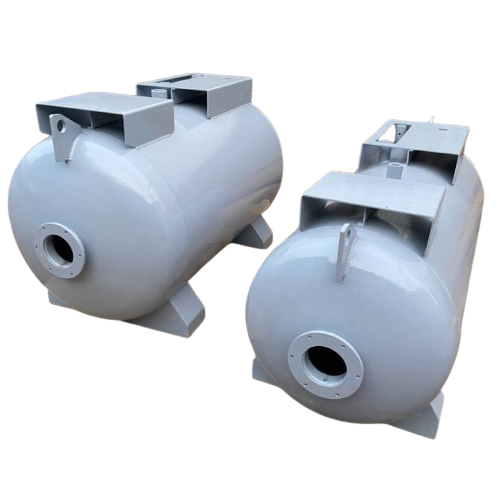
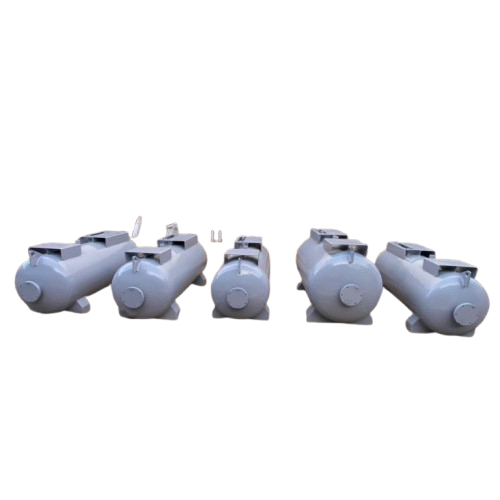
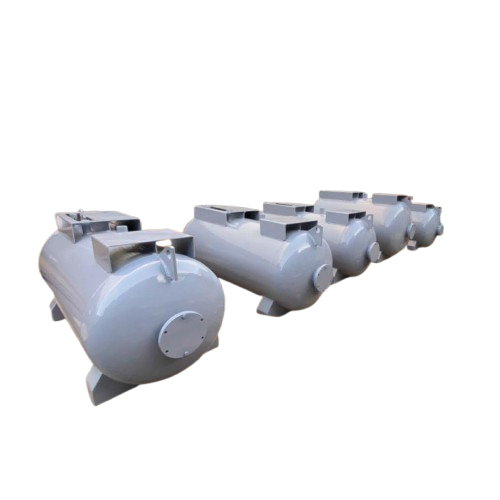
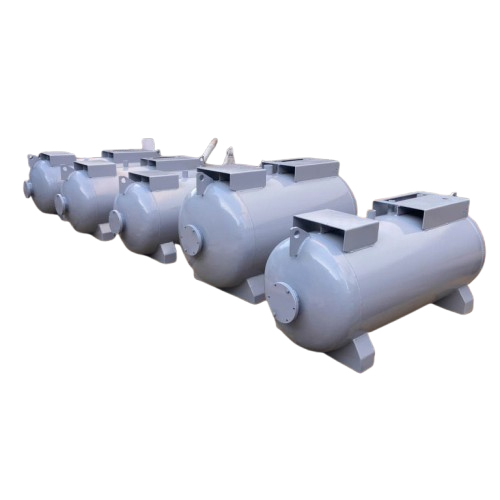
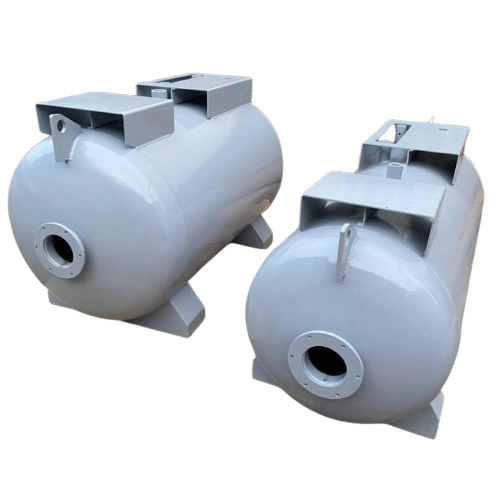
Vacuum Tanks
37750.0 INR/Unit
Product Details:
- Air Outlet 1 inch BSP/NPT
- Design Temperature -10C to 80C
- Color Industrial Grey/Blue/Custom
- Capacity Standard: 1000L, 2000L, 5000L, 10000L (custom options available)
- Working Presssure 6 bar
- Air Pressure Max. 7 bar
- Inner Diameter Depends on capacity; typical range 600mm to 2000mm
- Click to view more
X
Vacuum Tanks Price And Quantity
- 37750.0 INR/Unit
- 1 Unit
Vacuum Tanks Product Specifications
- Vacuum Tanks
- Steel
- Customizable, e.g. 1200mm x 900mm x 1100mm
- Industrial
- 7 bar (can be customized as per requirement)
- 6 bar
- Max. 7 bar
- Standard: 1000L, 2000L, 5000L, 10000L (custom options available)
- Industrial Grey/Blue/Custom
- -10C to 80C
- 1 inch BSP/NPT
- Up to 50C
- 500 to 10000 liters
- 1 inch BSP/NPT
- Variable as per capacity (standard range: 600mm - 2000mm)
- Standard
- Depends on capacity; typical range 600mm to 2000mm
- Hydrostatic and pneumatic testing as per IS 2825 / ASME Sec VIII Div. 1
- Provided at bottom for complete drainage
- Flanged/Threaded as required
- Horizontal, with heavy-duty saddle supports
- Neoprene / Nitrile
- Epoxy coated inner surface for additional corrosion protection
- Vacuum and compressed air systems in industrial plants
- External surface finished with 2 coats of epoxy paint
- Standard 6mm to 12mm (as per capacity and design pressure)
- Provided as per requirement
- Designed to withstand full vacuum conditions
- Provided for easy inspection and cleaning
Vacuum Tanks Trade Information
- Cash Advance (CA), Cash in Advance (CID), Cheque, Telegraphic Transfer (T/T), Western Union
- North India
Product Description
An air receiver, also known as a compressed air tank or air storage tank, is a type of pressure vessel designed to store compressed air for industrial, commercial, and residential applications.
Key Components:
1. Tank Body: A cylindrical or spherical vessel made of a durable material (e.g., steel, stainless steel, or aluminum) to contain the compressed air.
2. Valves and Fittings: Inlet and outlet valves, pressure gauges, and other fittings that control the flow of compressed air into and out of the tank.
3. Safety Devices: Pressure relief valves, safety valves, and other devices that prevent over-pressurization and ensure safe operation.
4. Mounting and Supports: Structural components that secure the tank in place and provide stability.
Operating Principles:
1. Compressed Air Storage: The air receiver stores compressed air generated by an air compressor or other air source.
2. Pressure Regulation: The tank helps regulate air pressure by storing excess air and releasing it as needed.
3. Air Supply: The air receiver supplies compressed air to pneumatic tools, equipment, and systems.
Applications:
1. Industrial Automation: Air receivers are used in manufacturing, processing, and packaging applications.
2. Construction and Mining: Compressed air is used to power tools, equipment, and machinery.
3. Food and Beverage Processing: Air receivers are used in food processing, packaging, and bottling applications.
4. Healthcare and Medical: Compressed air is used in medical equipment, hospitals, and healthcare facilities.
Benefits:
1. Improved Air Quality: Air receivers help regulate air pressure and flow, ensuring a consistent air supply.
2. Increased Efficiency: By storing compressed air, air receivers reduce the load on air compressors and improve overall system efficiency.
3. Reduced Energy Consumption: Air receivers help reduce energy consumption by minimizing the need for continuous air compression.
4. Enhanced Safety: Air receivers are designed with safety features that prevent over-pressurization and ensure safe operation.
PRICE RANGE: Rs. 50,000 - Rs. 5,00,000
Engineered for Durability
Our vacuum tanks are constructed from premium steel, offering shell thicknesses from 6mm to 12mm, tailored to meet capacity and pressure requirements. The dual-layer epoxy coating on the internal surface and a double coat on the exterior provide optimal resistance against corrosion, making them a dependable choice in demanding environments.
Customizable Solutions for Industrial Needs
With capacities ranging from 500 to 10,000 liters and customizable dimensions and end connections, our tanks are ideal for a variety of industrial vacuum and compressed air applications. White, industrial grey, blue, or custom color options are available to match your facility aesthetics.
Safety and Compliance as Standard
Manufactured and tested in accordance with IS 2825 and ASME Sec VIII Div. 1 standards, our tanks undergo rigorous hydrostatic and pneumatic testing. Each tank is built to handle working pressures up to 6 bar and temperatures from -10C to 80C, ensuring safe and consistent performance in industrial settings.
FAQ's of Vacuum Tanks:
Q: How does the epoxy coating improve the corrosion resistance of these vacuum tanks?
A: The epoxy coating forms a protective barrier on the inner surface of the vacuum tank, preventing corrosive substances and moisture from degrading the steel. This significantly increases the tank's resistance to rust and chemical wear, ensuring a longer service life in harsh industrial environments.Q: What inspection and cleaning features are included in these tanks?
A: Each tank is equipped with a manhole for convenient internal access, allowing for easy inspection and maintenance. Additionally, inspection openings are provided as required, and a bottom drain valve ensures complete drainage during cleaning or maintenance operations.Q: When should a vacuum tank be hydrostatically or pneumatically tested?
A: All tanks undergo hydrostatic and pneumatic testing as per IS 2825 or ASME Sec VIII Div. 1 before delivery. Regular inspections and testing during scheduled maintenance are recommended to ensure ongoing safety and compliance, especially if the tank operates under demanding conditions.Q: Where are these vacuum tanks typically used?
A: These corrosion-resistant vacuum tanks are ideal for industrial plants, where they support both vacuum and compressed air systems. They are suitable for use in various sectors requiring dependable air storage and distribution, including manufacturing, processing, and engineering facilities across India.Q: What are the benefits of choosing a tank with customizable dimensions and connections?
A: Customizable dimensions and connection types (flanged or threaded) ensure that each tank seamlessly fits your existing setup, enhancing operational efficiency. This level of adaptability reduces installation complexity and supports integration with diverse industrial systems.Q: How do I determine the correct shell thickness and capacity for my application?
A: The appropriate shell thickness (6mm to 12mm) and tank capacity depend on your required volume, working pressure, and safety standards. Our engineering team can assist in selecting the optimal specifications based on your specific application and site requirements.Tell us about your requirement

Price:
Quantity
Select Unit
- 50
- 100
- 200
- 250
- 500
- 1000+
Additional detail
Mobile number
Email

Other Products in 'Air Receivers & Vacuum Tanks' category


Contact Details

- 13/1, Bajri Industrial Area, Badkhal Pali Road, Near Bharat Petrol Pump,Faridabad - 121001, Haryana, India
- Phone : 08045477166
GST : 06ABTPA0018N1ZP

- Mr Nishant Ahuja (Founder & CEO)
- Mobile : 08045477166
-
 Send Inquiry
 Send Inquiry
Visit Us


INDOINFY STEELCORP
All Rights Reserved.(Terms of Use)
Developed and Managed by Infocom Network Private Limited.
Developed and Managed by Infocom Network Private Limited.

