



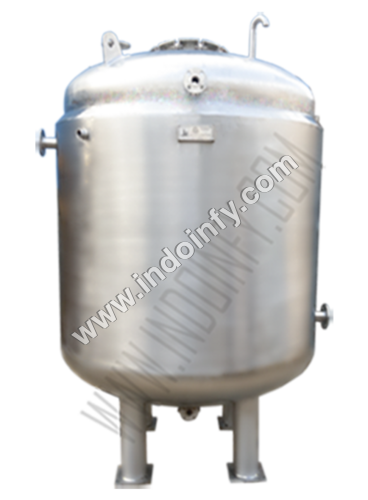
Jacketed Vessel
495000.0 INR/Unit
Product Details:
- Application Industrial
- Type Vessel
- Material Stainless Steel
- Size Sizes Available
- Product Type Jacketed Vessel
- Condition New
- Color Gray
- Click to view more
X
Jacketed Vessel Price And Quantity
- 495000.0 INR/Unit
- 1 Unit
Jacketed Vessel Product Specifications
- Gray
- Sizes Available
- Industrial
- Vessel
- Jacketed Vessel
- Stainless Steel
- New
Jacketed Vessel Trade Information
- Cash Advance (CA), Cash in Advance (CID), Cheque, Telegraphic Transfer (T/T), Western Union
- 100 Unit Per Month
- 7 Days
- North India
Product Description
A jacketed vessel is a type of industrial container designed to provide precise temperature control for various processes, such as heating, cooling, mixing, and reacting. It consists of two main components:
Main Components
1. Inner Vessel: A cylindrical or spherical tank made of a suitable material (e.g., stainless steel, carbon steel, or glass-lined steel) to hold the process fluid.
2. Outer Jacket: A concentric shell surrounding the inner vessel, creating an annular space for the circulation of a heating or cooling medium.
Key Features
- Heating/Cooling Medium: A fluid (e.g., steam, hot water, or refrigerant) is circulated through the jacket to transfer heat to or from the process fluid.
- Temperature Control: The jacketed vessel is designed to maintain precise temperature control, often using thermostatic control systems or temperature probes.
- Material Selection: The vessel and jacket materials are chosen to withstand the process conditions, including temperature, pressure, and corrosion.
- Agitation and Mixing: Some jacketed vessels are equipped with agitators or mixers to ensure uniform temperature distribution and efficient mixing.
Applications
Jacketed vessels are commonly used in various industries, including:
- Chemical processing
- Pharmaceutical manufacturing
- Food processing
- Beverage production
- Biotechnology
Benefits
The use of jacketed vessels offers several advantages, including:
- Precise temperature control
- Efficient heat transfer
- Uniform mixing and blending
- Improved product quality
- Increased process safety
PRICE RANGE: Rs. 2,00,000 - Rs. 20,00,000
Versatile Industrial Solution
Our stainless steel jacketed vessels are crafted for robust industrial use, offering excellent heat transfer and resistance to chemicals. Available in multiple sizes and fit for new installations, these vessels improve productivity and maintain process integrity across a wide range of industries.
Advanced Automation and Control
Outfitted with electric drive and PLC controls, these jacketed vessels support automated workflows. The precision control system enhances process reliability, reduces manual intervention, and optimizes operational efficiency for manufacturers and fabricators.
FAQ's of Jacketed Vessel:
Q: How is a stainless steel jacketed vessel used in industrial processes?
A: A stainless steel jacketed vessel is commonly used for heating, cooling, or maintaining temperatures in manufacturing processes, particularly in chemical, food, and pharmaceutical industries. The jacket allows fluids to circulate around the vessel, providing controlled temperature environments.Q: What are the benefits of using a jacketed vessel with PLC control?
A: The inclusion of PLC control enables automated monitoring and adjustment of temperatures and processes, leading to improved accuracy, reduced human error, and consistent product quality. It also simplifies operation and maintenance for industrial users.Q: When should I consider installing a stainless steel jacketed vessel in my facility?
A: You should consider installing a jacketed vessel when your industrial operation requires precise temperature control, enhanced durability against corrosive substances, or when transitioning to automated processes to improve efficiency and safety.Q: Where can these jacketed vessels be sourced in India?
A: These jacketed vessels are available through multiple channels in India, including distributors, fabricators, manufacturers, suppliers, and wholesalers. This broad availability ensures you can find a partner to suit your project size and requirements.Q: What is the typical process involved in operating a jacketed vessel?
A: The jacketed vessel operates by circulating a heating or cooling medium through the outer jacket while process materials are inside the main chamber. The built-in PLC and electric drive automate and regulate the process to maintain ideal conditions.Q: Who benefits most from using this type of vessel?
A: Manufacturers in industries such as chemicals, pharmaceuticals, and food processing benefit significantly due to the vessel's precise temperature management, corrosion resistance, and effective integration into automated production lines.Tell us about your requirement

Price:
Quantity
Select Unit
- 50
- 100
- 200
- 250
- 500
- 1000+
Additional detail
Mobile number
Email

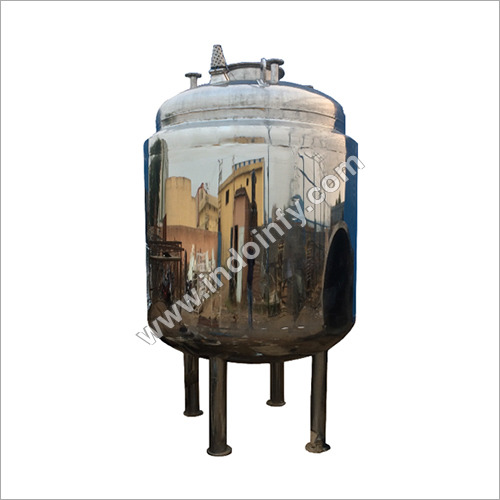
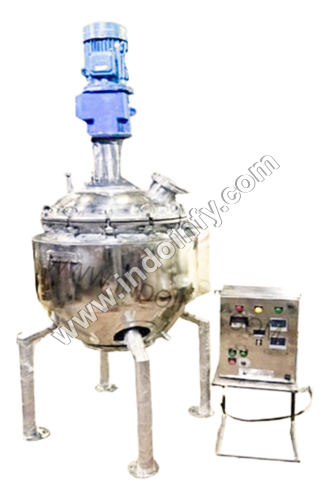
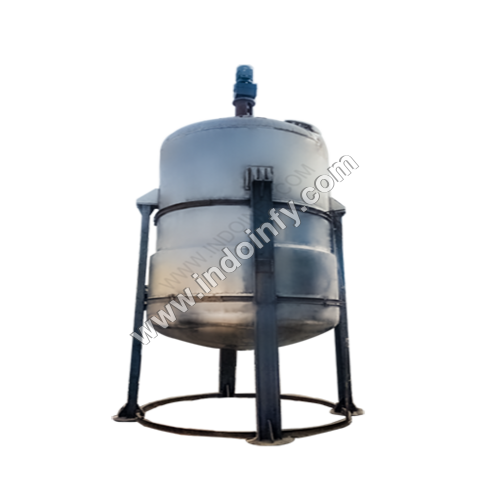
Other Products in 'Jacketed & Insulated Vessels ' category

Contact Details

- 13/1, Bajri Industrial Area, Badkhal Pali Road, Near Bharat Petrol Pump,Faridabad - 121001, Haryana, India
- Phone : 08045477166
GST : 06ABTPA0018N1ZP

- Mr Nishant Ahuja (Founder & CEO)
- Mobile : 08045477166
-
 Send Inquiry
 Send Inquiry
Visit Us


INDOINFY STEELCORP
All Rights Reserved.(Terms of Use)
Developed and Managed by Infocom Network Private Limited.
Developed and Managed by Infocom Network Private Limited.

